 +48 453 250 842
 office@bitpeak.com
 Opatowska 2, Warsaw

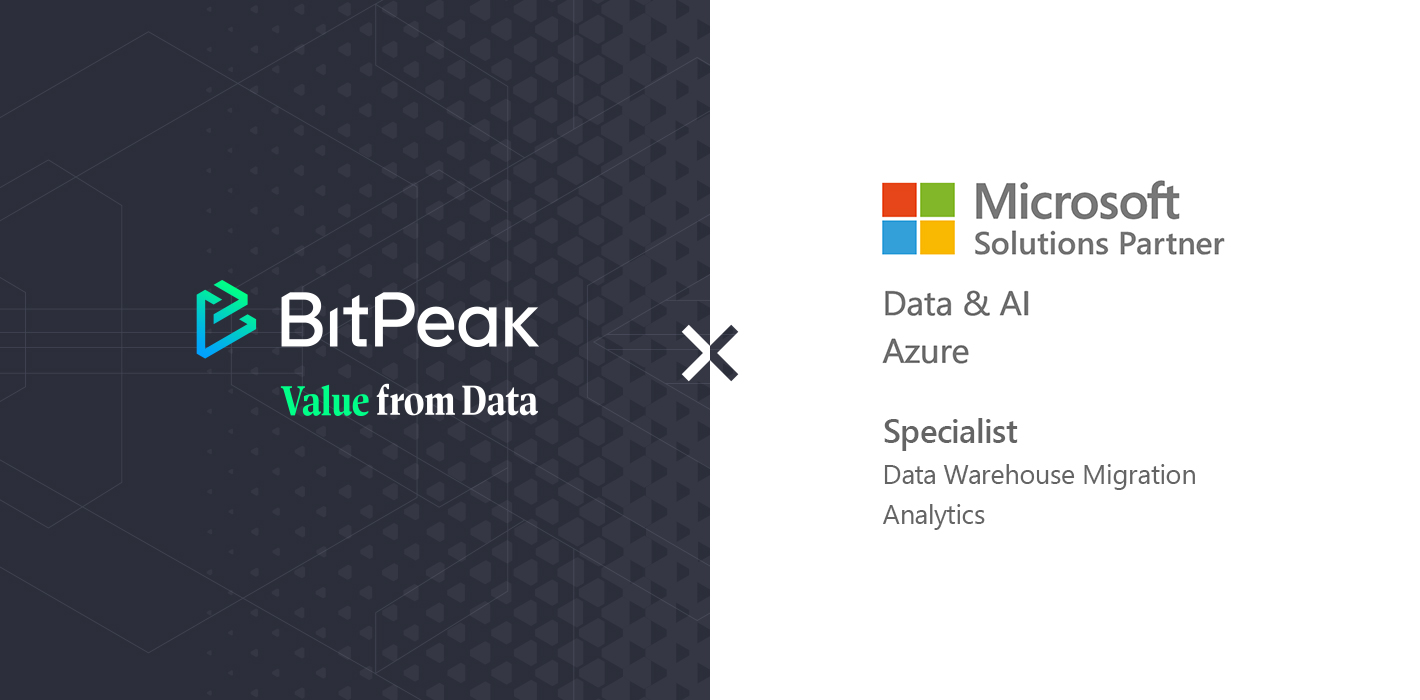
BitPeak has secured a second Microsoft Solutions Partner specialization – Data Warehouse Migration to Microsoft Azure. This follows our earlier recognition in Analytics on Microsoft Azure and strengthens our position in the Data & AI domain.
Together, these specializations confirm a consistent focus on designing and migrating data platforms for enterprise environments.
Azure data warehouse migration is driven by business constraints
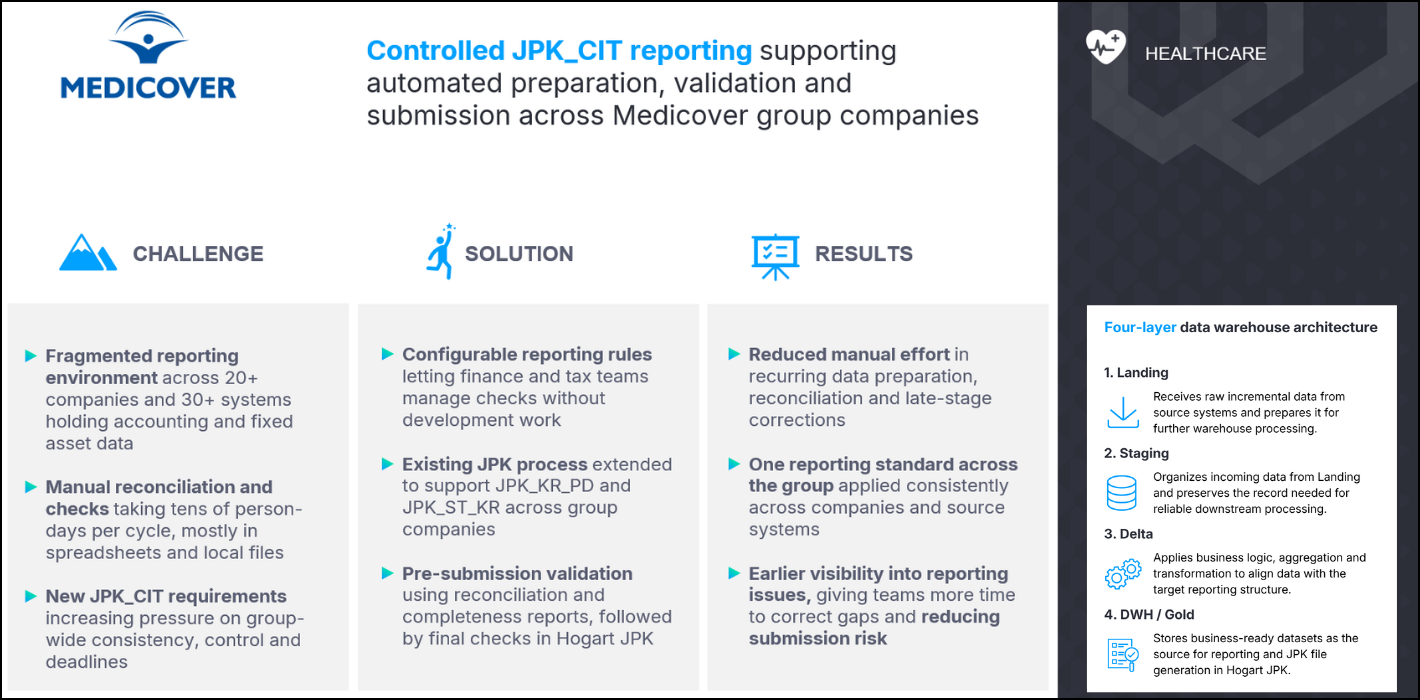
This specialization reflects a capability we have developed across multiple projects: migrating complex, business-critical data warehouses from on-premise or legacy systems to Azure. It also confirms our approach to handling large-scale migrations, starting from system assessment to target architecture design.
Based on our experience, migration projects start with limitations in existing systems, not with technology. Over time, data warehouses become difficult to scale, costly to maintain and slow to adapt to new reporting or AI use cases. As data volumes grow and expectations increase, migration becomes less about moving data and more about removing these constraints.

Combining analytics and migration improves target architecture
The value of this specialization is strengthened when combined with our Analytics specialization. One focuses on how data is used, the other on how it is structured and delivered. Treating these areas together allows us to design target architectures that reflect real usage from the start.
In our projects, this usually begins with an assessment of the existing data landscape, including system dependencies and data flows. It helps define whether migration should be incremental or require partial redesign. Azure, combined with tools such as Databricks, supports this approach by enabling separation between data ingestion, transformation and serving layers.
Microsoft validation reduces risk for large-scale migrations
The specialization confirms that our delivery model meets Microsoft’s technical and project criteria. This includes proven migration experience, validated outcomes and alignment with Azure best practices.
For clients, this directly reduces risk when planning large-scale data platform transitions.
It also reflects how we are involved earlier in projects, at the stage where architecture and migration strategy are still being defined. This allows us to shape not only how platforms are built, but how they will be used over time.
BitPeak
Value from Data