 +48 453 250 842
 office@bitpeak.com
 Opatowska 2, Warsaw
Data Strategy
Together, we establish your data strategy by conducting an in-depth analysis and creating the Roadmap. You can count on us in the implementation, monitoring, and adapting strategy to the needs of the organization.









Together, we establish your data strategy by conducting an in-depth analysis and creating the Roadmap. You can count on us in the implementation, monitoring, and adapting strategy to the needs of the organization.

We bridge the gap between business stakeholders and tech teams. We deliver data solutions tailored to business needs by leveraging proprietary frameworks and top-class methodologies from the market.

Moving from on-premises business intelligence to the cloud is always a challenge. There is no one-size-fits-all. We help you choose the optimal approach and build a strategy for cloud adoption in analytics.
Understanding your data utilization needs is crucial in addressing challenges such as data security, quality, flexibility, ownership, process standards, regulatory risks, and data silos for effective solutions.
As a result, you gain practical recommendations for managing data in line with your company's strategy. You gain the ability to make decisions faster, more accurately, and comply with legal regulations.
Our support covers every stage of this process, involving internal teams while we play an advisory and supportive role.
What will Data Strategy bring to your organization?

a specific action plan for implementing a Data Strategy tailored to your needs
recommendation of tools supporting the implementation of Data Strategy
guidelines for building knowledge and skills enabling the implementation
designing processes and responsibilities in data management




Initiation: developing a common strategic goal
Stakeholders: identification of needs and challenges
Actions: conducting surveys and workshops
Synthesis: development of key findings and hypotheses
Concept: roadmap prototype presentation
Refinement: presentation of the final roadmap
Recommendations: guidelines for implementation plans
Implementation Pilot
Business context: OKRs, glossaries, data products, lineage
Source registration: scan and classify key data sources
Data quality: profiling, rules, reporting, MDM integration
Communication: inform organization of benefits and publish catalog
Subsequent domains: onboarding of additional domains
Monitoring: training, standards, communication, feedback
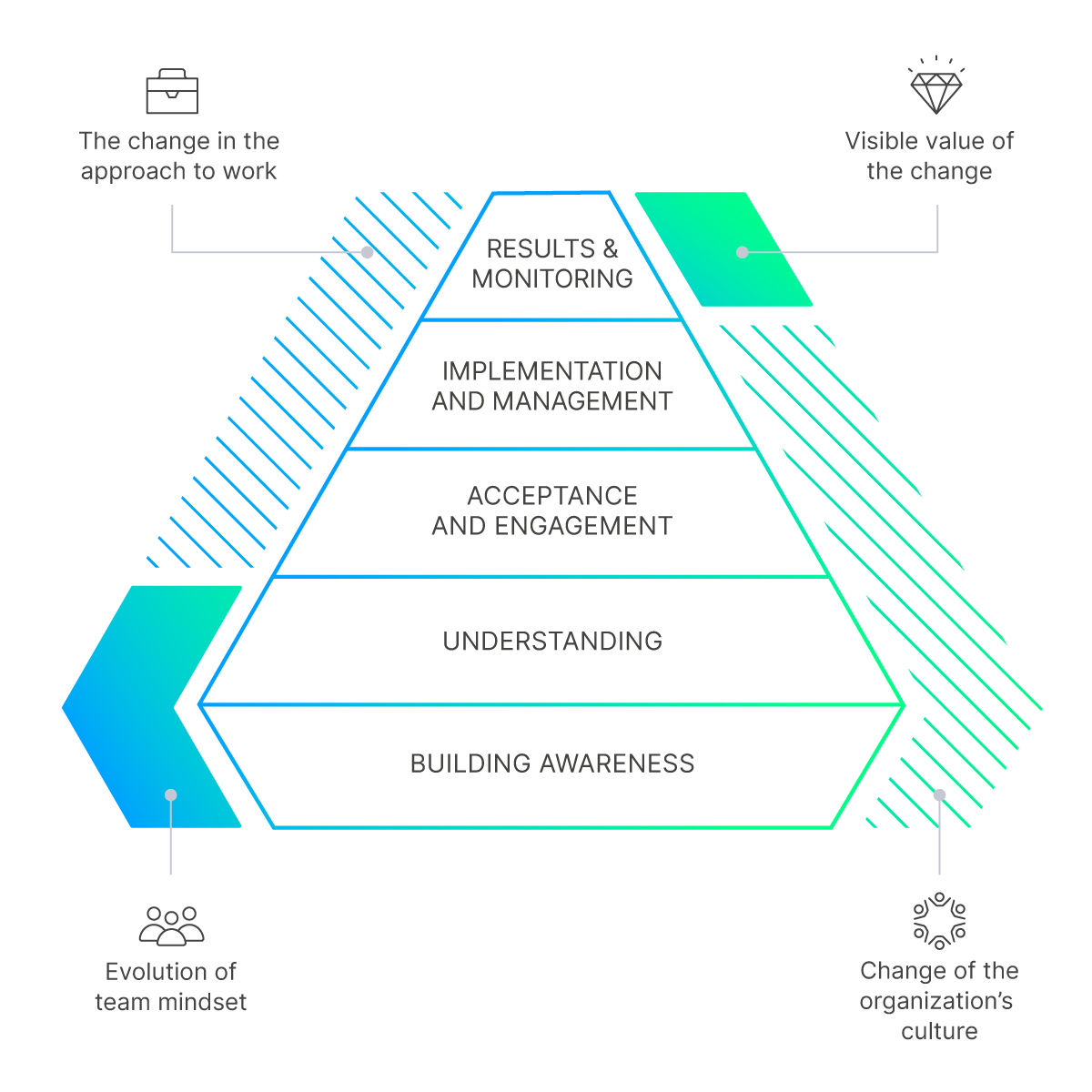
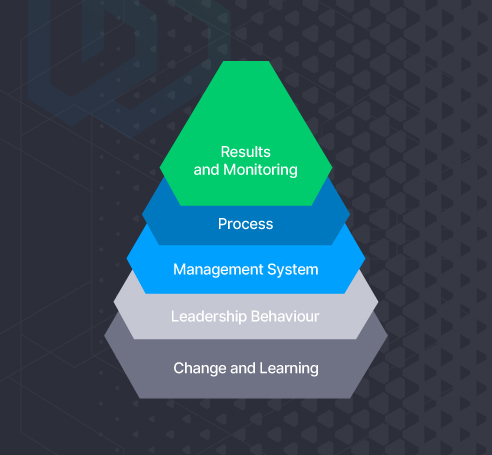
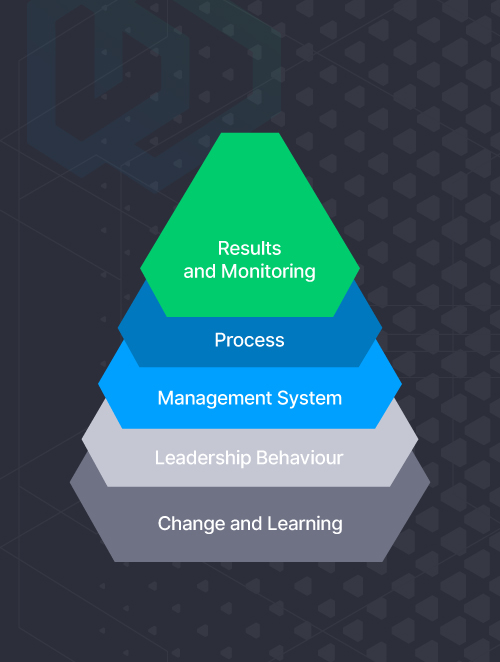
Data strategy shapes how organizations make decisions, run operations, and respond to change. It goes beyond technology, building a culture that turns data into daily business value.
The organization starts by recognizing data as a strategic asset and linking the strategy to roles, decisions, and goals. It establishes clear data standards and ensures compliance despite leadership or strategic shifts.
Processes are regularly reviewed and optimized to sustain adaptability and advantage. As a result, Data Strategy is embedded in daily operations, with clear ownership, measurable outcomes, and proven business impact.

The project was initiated in response to the bank’s growing need for a consistent, centrally managed Data Strategy policy, especially in metadata management.
+
Read how we delivered LOT Polish Airlines a Data Governance roadmap with recommendations and a timeline for effective implementation.
+
See how we helped to integrate and synchronize KPIs and sales team performance on global scale thanks to Salesforce integration.
+
See how a parameter-based mechanism implemented for Santander Bank Polska unified data processing across domains, enabling automation, transparency, and faster delivery of compliant analytics.
+
Through hands-on Microsoft Purview workshops, we helped business and data teams understand how governance roles, asset visibility, lineage and Databricks integration can work in their existing environment.
+
See how we helped a global healthcare company consolidate marketing analytics across 160 countries with a unified Power BI dashboard that standardizes KPIs and supports data-driven decisions.
+




Business-System Analysis bridges the gap between business expectations and technical execution, turning unrefined needs into robust data solutions.
It helps organizations overcome misalignment, scattered data, and vague requirements that slow down progress.
By translating challenges into structured, validated insights, we ensure that every data initiative starts with clarity and ends with measurable value.
We help you in addressing your challenges and deliver:
data solutions precisely tailored to defined business objectives
validated list of requirements ready for implementation
well-structured tasks and target data models that guide developers
harmonized KPIs and interactive prototypes that streamline decision-making

Run workshops to gather requirements
Assess and profile data quality
Map data and design models with a glossary
Standardize KPI definitions
Build and validate dashboard prototypes
Define user stories with acceptance criteria
Align priorities and features with business goals
Refine and manage the backlog
Clarify business context for the dev team
Analyze new and edge cases
Support preparation of test scenarios

Support UAT and address feedback
Train users for effective adoption
Provide post-go-live support and guidance
Prioritize feedback and required changes
Collaborate with stakeholders on implementation
Train and support users
Monitor the impact of changes
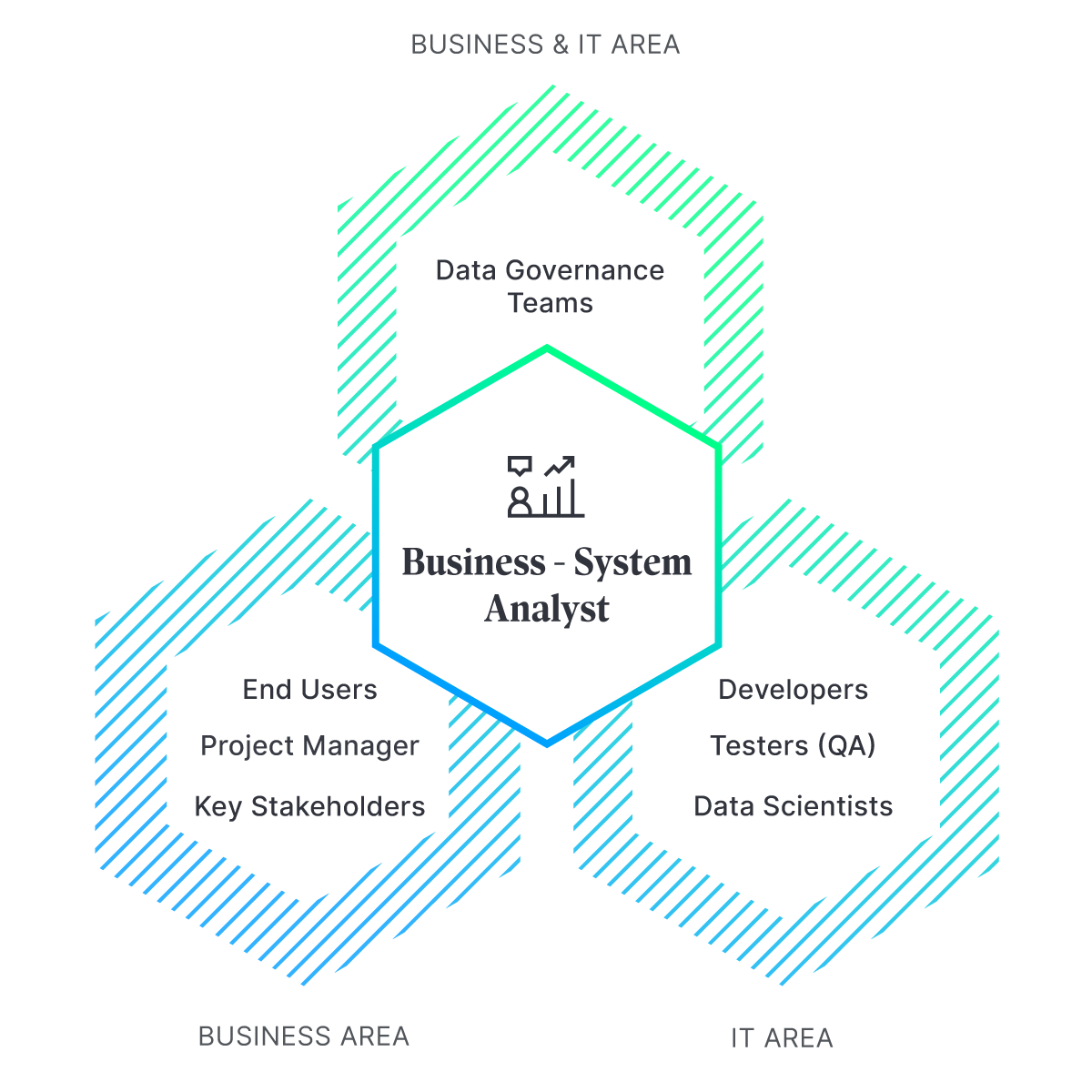
Business-System Analysts ensure effective collaboration between business and technical stakeholders. They understand both strategic goals and system capabilities, translating business needs into requirements that enable solution design and delivery.
Due to the scope of cooperation with various roles and team members, the role of Business-System Analyst in a project is critical in ensuring the ultimate success of the initiative.







Choosing the right path to the cloud is key to ensuring performance, scalability, and long-term Value from Data for your organization.
Our Cloud Adoption Plan provides a clear, tailored roadmap that aligns cloud data solutions with your business needs and future development. By analyzing your current environment and exploring actionable scenarios, we help you make confident, well-informed decisions.
The result is a structured, cost-aware plan that accelerates cloud adoption in your data ecosystem while minimizing risk.
Cloud Adoption Plan brings to your organization:
action plan for implementing cloud data solutions, tailored to your needs
scenarios of cloud adoption with pros/cons and cost estimation
guidelines for building knowledge and skills enabling the implementation of cloud
recommendation for high-level target data architecture designed with WAF/CAF principles
Team setup
Project goals and expectations
Key stakeholders
Project schedule

Data technology/infrastructure overview
Current data architecture
Workshops
Reference cloud architecture
Scenarios analysis
Target architecture
Cost estimates
Implementation plan

Final workshop & results’ presentation
Handover of all deliverables: presentation, report and additional attachments
Throughout the adoption journey, you maintain a clear view of next steps and the target outcome. We present the plan in a structured, business-ready format, including recommended scenarios with justifications, cost valuations, timelines, and alternatives.
This ensures full transparency, informed decision-making, and confidence in how your cloud data landscape will evolve in the years ahead.

Michał Kołodziejski
Consulting Manager
