 +48 453 250 842
 office@bitpeak.com
 Opatowska 2, Warsaw

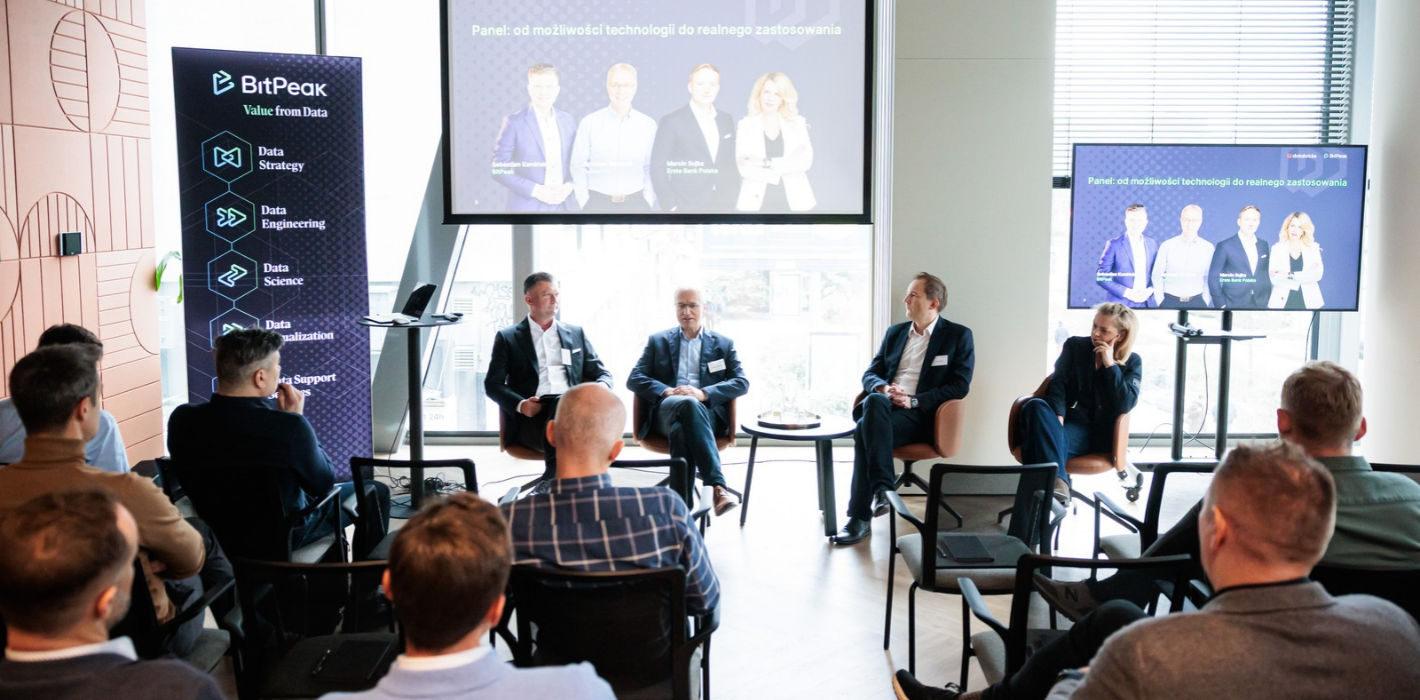
On October 14th, BitPeak and Databricks hosted a business breakfast for people who work with data every day. We run this event regularly.
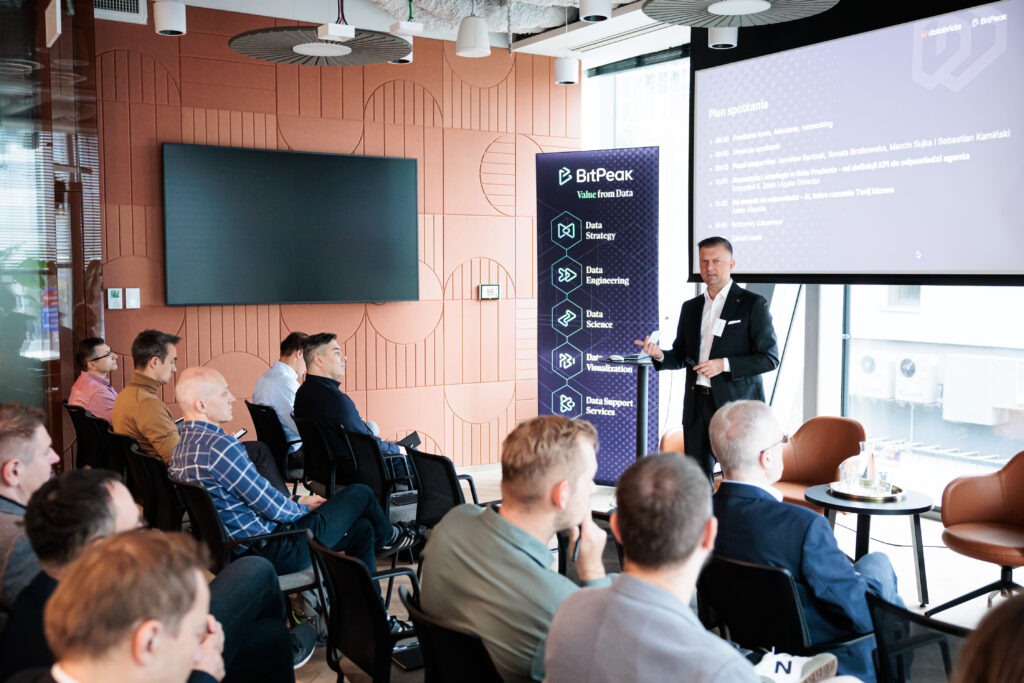
Sebastian Kamiński (CEO, BitPeak) explains why: “Our event aims to meet our clients’ needs: to inspire, to provide space to exchange experience, and to talk. This time the dominant theme is agentic AI, and how to prepare an organization, how to modernize or adapt data platforms to this trend. That is mainly what we discussed, and we also showed how today’s Databricks technology answers it.”
The main conclusion: an AI agent answers only as well as it understands the meaning of data. A bigger model or more data will not replace that.
AI in practice: three views from the panel
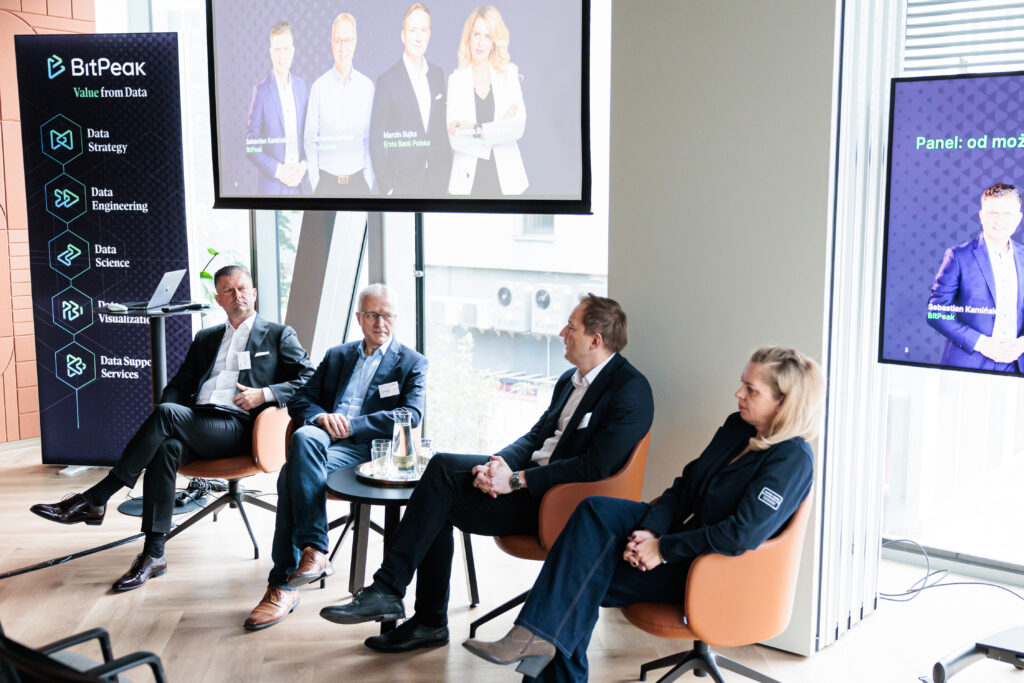
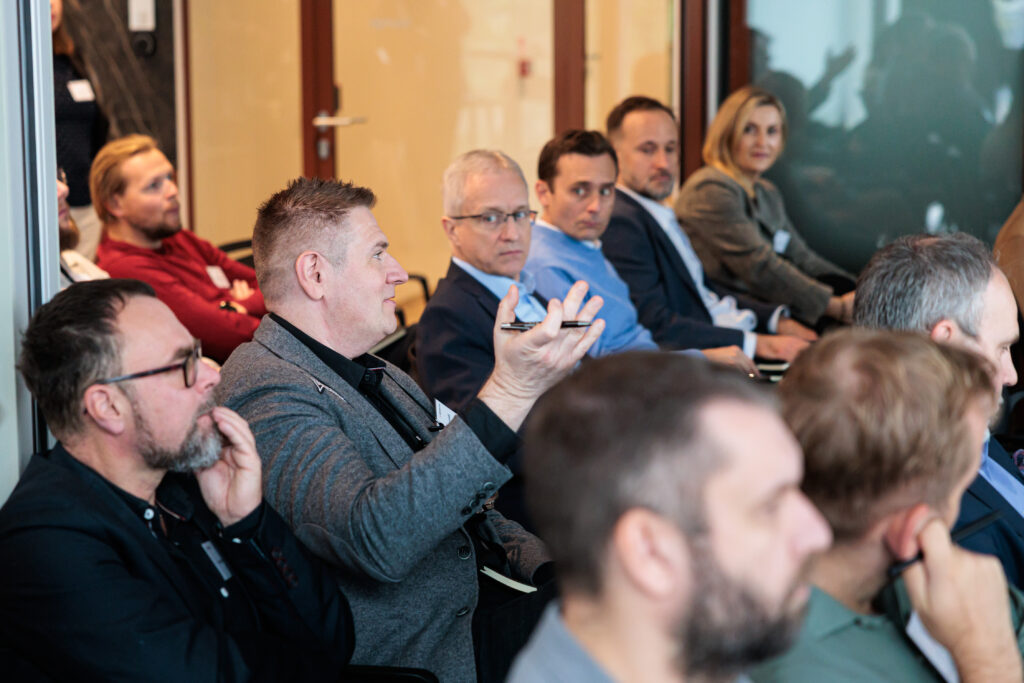
Sebastian Kamiński moderated the panel “From technology possibilities to real-world use”. The guests were Jarosław Bartosik (BI & AI Director, Polkomtel), Renata Bratkowska (Director of Data and AI Governance, Grupa Neuca) and Marcin Sujka (Data and Customer Interaction Platform Tribe Leader, Erste Bank Polska). Three threads ran through the discussion: risk and organizational culture, trust built on a business understanding of data, and data democratization.
Risk and organizational culture
Marcin Sujka: “I think we should follow the motto ‘innovation without compromise’. Let’s try to deploy solutions that carry low risk, and a very important thing is organizational culture, which means high awareness among all employees of what AI means, what is allowed and what is not, so that in the end we do not create risk for the organization.”
Trust and business understanding of data
Renata Bratkowska: “Trust is the foundation of foundations. We built a warehouse on a database the business understands and uses. Right now, we have reports that directly describe business reality. For AI to work well, we must understand this data not only through business analysts or engineers, but through the business itself. So the business must understand what a given data item means in their business context.”
This is the point we also came to in the next part of the breakfast: definitions belong to the business, not to a report’s code.
Democratization of data
Jarosław Bartosik: “On one hand, data is gaining in importance, and on the other, democratization keeps progressing. Whereas 25 years ago this was somewhat secret knowledge that required high technological skills, over time it is becoming more and more accessible to a wide group of users.”



Same question, two numbers
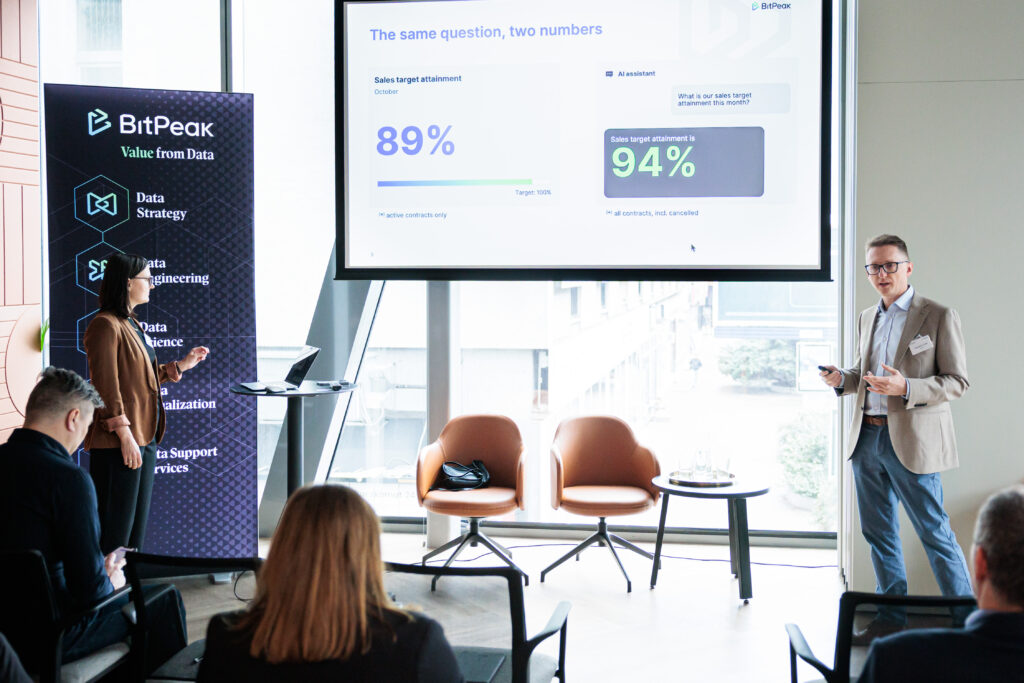
In the second part of the breakfast, Krzysztof Zdeb (CTO Data & AI, BitPeak) and Agata Górecka (Senior Data Engineer, BitPeak) presented “Semantics and Ontology in Data Products”. They started with a simple example.
We ask: what is our sales target attainment this month? The report shows 89%, because it counts only active contracts. The AI assistant answers 94%, because it counts all contracts, including canceled ones.
Neither number is a technical error. The definition differs, and a domain expert decides the definition, not the model. Companies that describe their data now (definitions, relations, owners) will get AI answers they can trust sooner. The others will keep burning tokens and trust.
Three eras of data consumers
The data consumer has changed. First came reports and systems, and data’s meaning lived in each report’s code. Then came self-service BI, where the consumer is an analyst and the meaning lives in the BI model. Today the consumer is also an AI agent. As long as definitions live in many places, each consumer reads the same tables differently. The fix: everyone reads data through a data product. One definition, one owner, one place to fix an error.
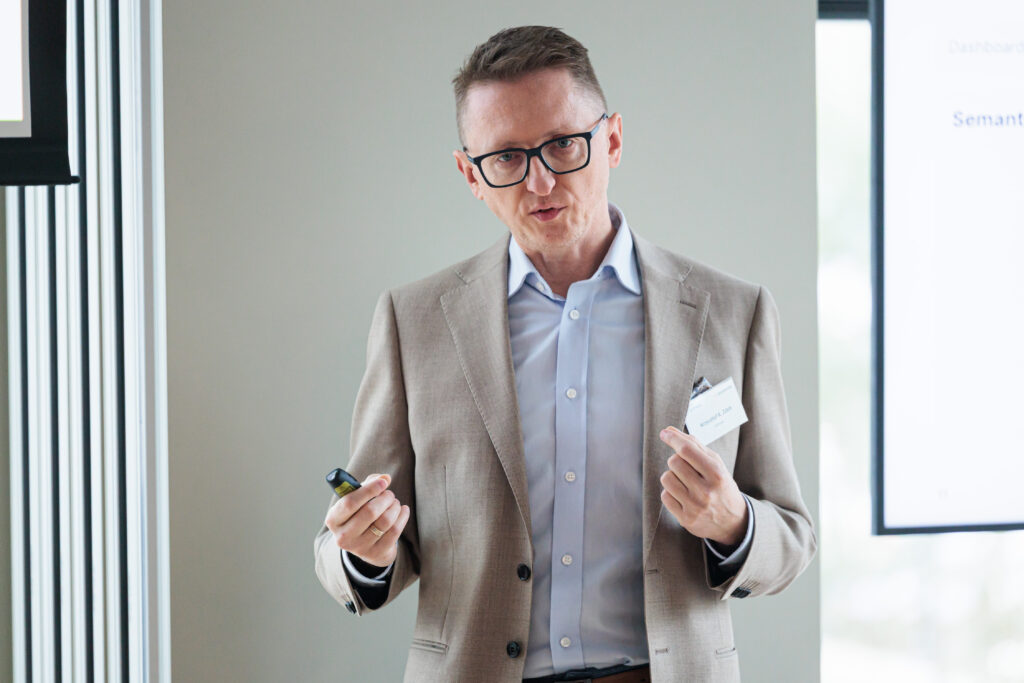
Krzysztof Zdeb presented the data product as a set of layers. From the bottom: data, contract, semantics, ontology, trust and lineage, ownership and permissions, and discovery. A distinction worth remembering: semantics says what a sale is (a contract with status “active”, not “ordered” and not “canceled”). Ontology says how concepts connect: a customer signs a contract, a contract is based on an offer, a salesperson works in a branch. The agent needs both.
The layer people usually forget: enterprise alignment
This is the organization’s strategy, goals, values, and policies. Without it, the agent answers “what happened?” but only in general terms. It cannot advise “what to do about it” in a way that fits the company. Simple questions (what?) and harder ones (why?) rest on data and definitions. The question “so what?” also needs knowledge of the organization’s goals and rules. So when you tidy your data, add this layer from the start, rather than wait until the agent gives recommendations that ignore your strategy.
How Databricks does it
Agata Górecka showed how these layers look in the platform. The base is Unity Catalog with metadata: table and column descriptions, tags, certificates and permissions. On top sits the semantics layer: Metric Views (KPI definitions), Domains (search scope), Pages (business terms, currently in Beta) and Genie Agents (instructions and examples). Above that works Genie Ontology, which Genie One and other consumers use.
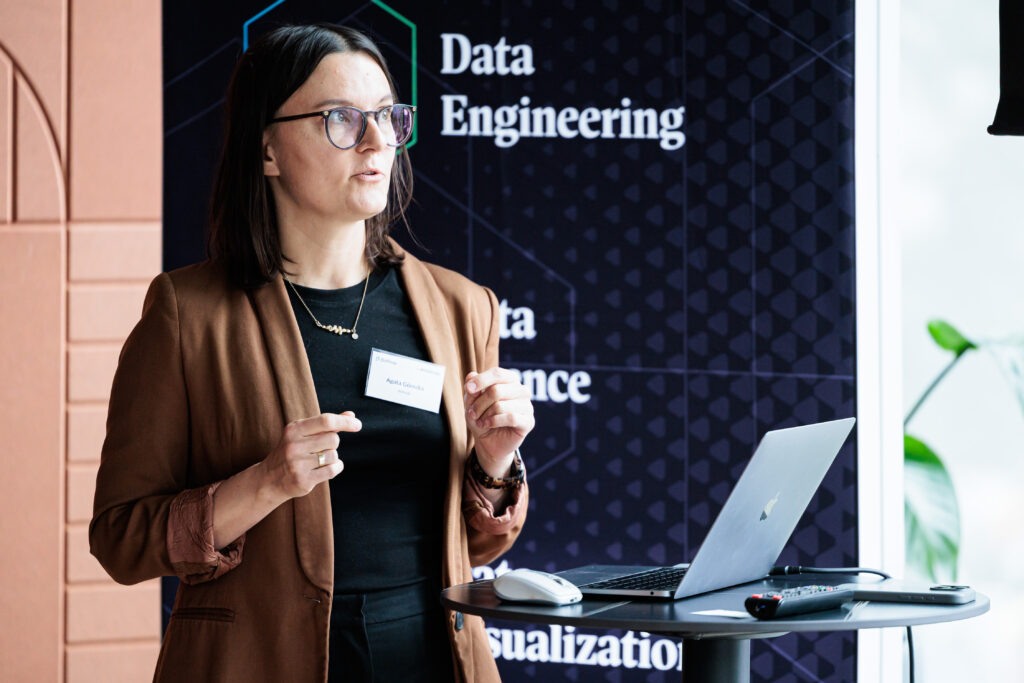
Agata Górecka: “It is good to show in practice how semantics and ontology change the answers of an AI agent. Order in definitions and business context translates into better decisions across the whole company.”
Genie One: an AI assistant for business users
Adam Aboode (Sr. Solutions Architect, Databricks) in „From data to answers” presented Genie One, an AI assistant for business users built on a company’s data context. It works in the browser and desktop app, on mobile devices, in Slack and Teams, and as an MCP app inside other AI tools. A chat can become an agent (with instructions, skills and sources). Users can schedule tasks and alerts, save a workflow as a skill and turn a conversation into a document.
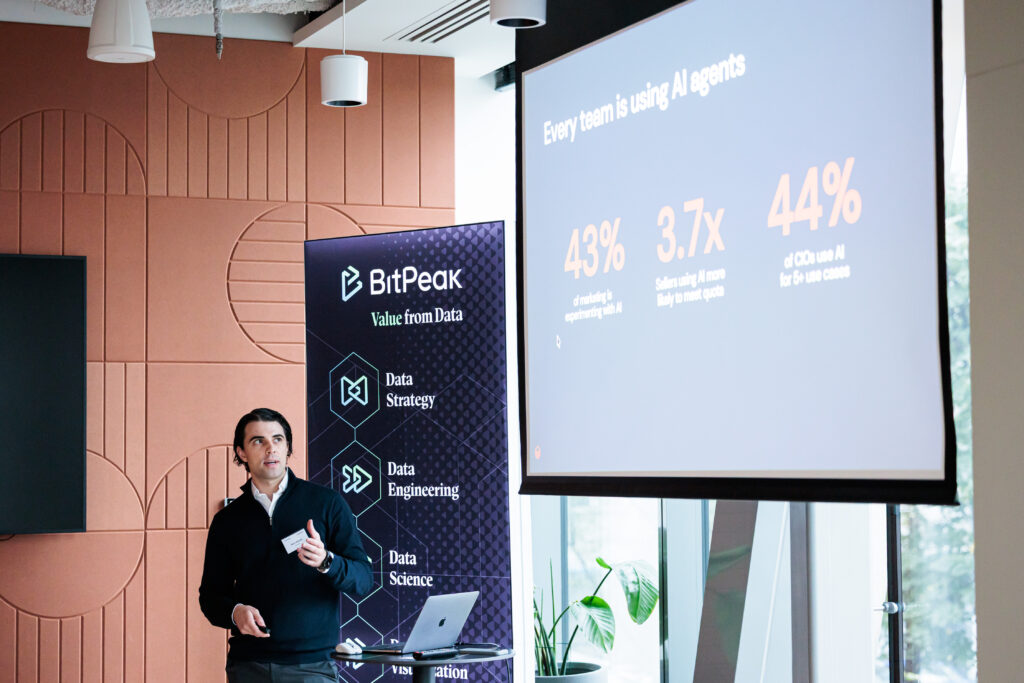
Databricks’ view: readiness for AI can be tested.
Witold Wojtowicz (Senior Account Executive, Databricks): “Speaking of the success of AI deployments, a company ready for AI must meet several conditions, such as governance, data quality, or semantics for AI. Genie is the best test of whether it meets them. And Genie in general makes AI readiness measurable, so a company that is not ready for Genie is not ready for AI, because the same foundations, in a way, determine the success of every deployment.”

Where to start
Start with one KPI that has two versions in your company. Describe its definition, name an owner, and record it in one place. Then ask an AI agent about that KPI and check whether the answer matches the report. This example shows how much work is left.
“I think meetings like this matter because they bring the business and technology perspectives into one conversation. That makes it easier to understand how to prepare data for use by AI, so that the agent gives answers the business can trust,” explains Krzysztof Zdeb.
Thank you to Databricks, the panelists, and all guests for the conversations over our business breakfast.